
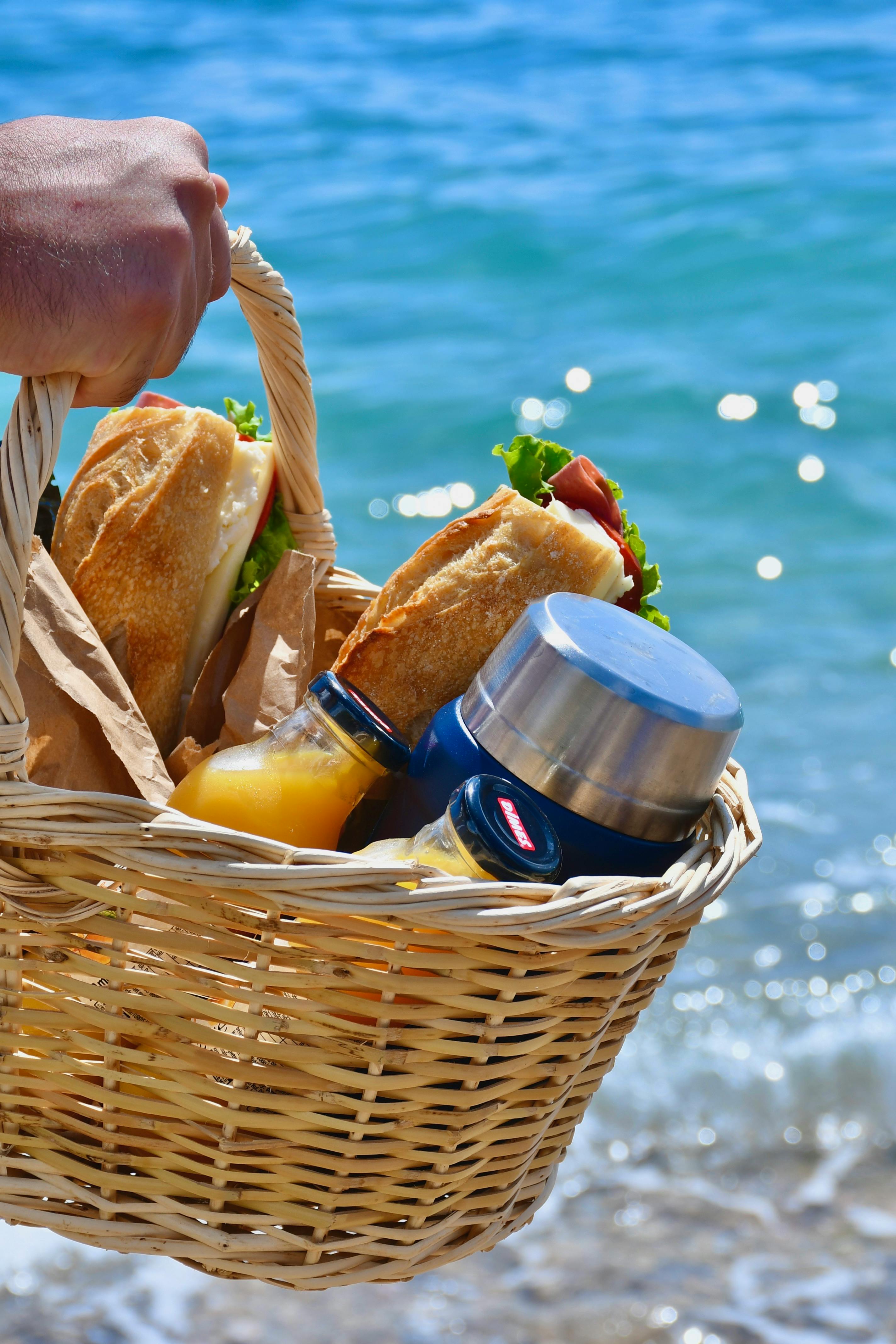
Who doesn’t love a good holiday? Whether you’re lounging on a beach, exploring a vibrant city, or enjoying a mountain retreat, holidays offer a much-needed opportunity to rest, recharge, and reconnect with yourself. Time off is essential for wellness—but what happens when your healthy eating habits take a detour during these breaks?
While occasional indulgences are perfectly natural, it’s easy for relaxed holiday habits to linger long after you return, especially if getting back on track feels challenging. This guide is designed to help you approach your next holiday with intention and balance—so you can enjoy every moment without compromising your long-term health goals.
Set Yourself Up for Success
In everyday life, we have agreements—both with others and with ourselves. These include commitments to how we eat, move, and take care of our wellbeing. When we break these agreements, especially with ourselves, we often feel disappointed or unmotivated. Over time, these lapses can chip away at our confidence and consistency.
Holidays are a shift from routine, which is why it’s important to create a new set of agreements specifically for them. Decide in advance whether your holiday will follow an “anything goes” philosophy or a more mindful version of your regular eating pattern.
Being clear about your approach helps prevent post-holiday guilt or frustration. Without clarity, you may find yourself either feeling deprived or having overindulged—neither of which is ideal.
Be Clear on What Matters Most
Before you travel, take time to reflect on what makes a holiday truly fulfilling for you. Ask yourself:
-
What makes a holiday feel complete?
-
When I look back, how do I want to feel?
-
What do I want to avoid feeling?
-
What are the five most important elements of a successful holiday for me?
You may find that your ideal holiday involves rest, fun, connection with loved ones, or trying new experiences—not necessarily endless indulgence.
My Best-Ever Holiday Eating Plan
Use these prompts to create your own holiday eating strategy:
-
Things I normally do over the summer that don’t work for me or that I’m not too bothered about:
-
I will know I’ve had a great summer holiday when:
-
(Define measurable feelings or experiences—e.g., feeling rested, maintaining energy, or returning home without food guilt.)
-
My 5 Holiday Eating Tips
Following the 80/20 rule (eating well 80% of the time and allowing indulgences the other 20%) is a great approach even during holidays. Here’s what “eating well” looks like:
-
Eat real food – prioritise fresh, whole ingredients over processed items.
-
Balance your blood sugar by:
-
Eating three structured meals a day.
-
Including protein in every meal.
-
Being selective with carbohydrates, especially refined ones.
-
Eat a Rainbow
Aim to eat a variety of colourful fruits and vegetables throughout your holiday. Each colour offers unique plant nutrients and antioxidants that help combat environmental damage. Even if your destination isn’t vegetable-rich, do your best to incorporate colour into your meals whenever possible.
Holiday Picnic Salads – The Mason Jar Trick
If you’re self-catering or out for the day, pack a layered salad in a mason jar. Here’s how:
-
Add the dressing first to keep leaves from going soggy.
-
Follow with robust vegetables (e.g., beetroot, fennel).
-
Add softer veg or fruit (e.g., cucumber, tomatoes).
-
Include protein sources (e.g., chicken, egg, tofu).
-
Finish with leafy greens.
Simply tip it onto a plate when you’re ready to eat—fresh, delicious, and satisfying.
Snack Before You Hit the Town
Alcohol spikes blood sugar and increases cravings. To minimise its impact, have a small protein-rich snack before drinking. Some ideas:
-
A spoonful of unsweetened nut butter on oatcakes.
-
A small portion of cottage cheese.
-
A handful of raw nuts.
Low-Carb Dining Abroad
Here are some low-carb suggestions for popular holiday destinations:
Cyprus, Greece & Turkey
-
Grilled meats, vegetable sides, olives, hummus (without bread).
-
Example: Meat kebab with salad or grilled veg.
France
-
Rich in meats and vegetables cooked in wine or butter.
-
Example: Charcuterie followed by steak and green beans (avoid flour-based sauces).
Italy
-
Choose grilled fish, meat, or fresh salads.
-
Example: Carpaccio or Pollo Prosciutto with vegetables.
Spain
-
Embrace tapas-style dining with small, shareable low-carb dishes.
-
Example: Jamon y queso followed by grilled meat skewers and a side salad.
Final Thoughts
Your holiday doesn’t have to be an “all or nothing” experience. With a clear plan and a few simple strategies, you can fully enjoy your time away while staying aligned with your long-term health goals. The ultimate holiday eating strategy isn’t about restriction—it’s about conscious choice, balance, and feeling your best.