
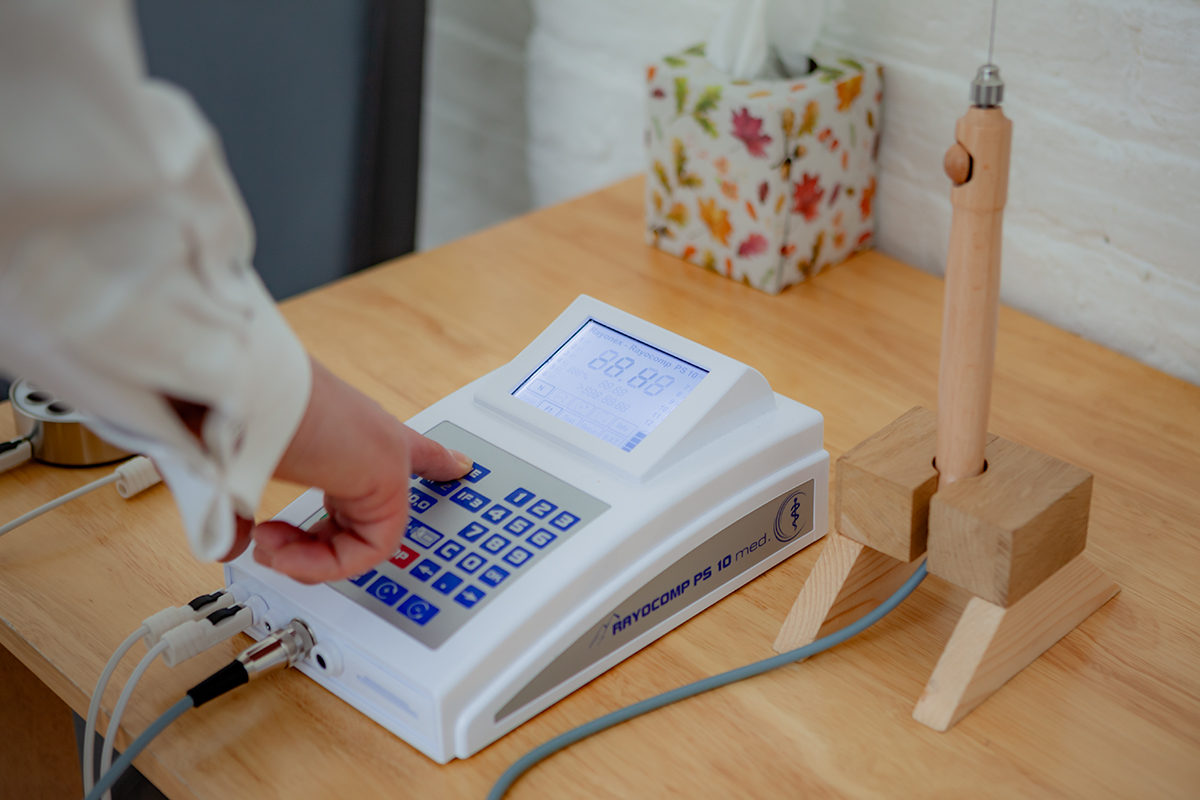
Digestive discomfort often persists despite diet tweaks, so bioresonance offers a frequency-based lens on how gut stress shows up in the body. Using medical-grade bioresonance equipment, clinicians assess your responses to signals to identify functional imbalances that may affect digestion and guide a personalized plan. Evidence for digestive benefits is limited and bioresonance should be used as a complementary part of a holistic gut health strategy, alongside nutrition, sleep, and conventional care, with Total Health Now Clinic in the UK guiding the process.
1. What bioresonance therapy is and why it matters for digestive health
Bioresonance therapy uses frequency-based signals to assess how your body stays in balance. The core idea is that the human body emits measurable electromagnetic frequencies, and when digestion is under strain, those frequencies shift. Using specialized medical-grade bioresonance equipment, a clinician observes how your body responds to a broad range of signals. This process helps surface functional patterns that may contribute to gut discomfort, fatigue, or sleep disruption—moving beyond surface symptoms.
Digestive stress can tilt signals from gut tissue, liver, pancreas, and immune cells. When signals diverge from an efficient pattern, bioresonance analysis looks for those disruptions and maps them to potential stressors in digestion. The aim is to identify opportunities to support digestion through targeted dietary changes, sleep improvement, and gentle supportive measures rather than chasing a single diagnostic label.
Bioresonance testing is not a stand-alone diagnostic test. It sits alongside conventional assessments and other holistic modalities to inform a holistic plan. It measures responses to signals rather than diagnosing disease, which is a critical distinction from endoscopy, stool tests, or imaging. Because interpretation depends on the clinician’s training, results should be integrated with nutrition, lifestyle, and medical oversight. For context, see overviews and critiques at Wikipedia and Science-Based Medicine.
Concrete Example: A patient with longstanding bloating and fatigue undergoes a bioresonance scan as part of the gut health intake. The scan highlights stress patterns in the small intestine region and a tendency toward gut-brain axis imbalance. Based on those signals, the clinician recommends a phased plan: adjust gluten-containing foods, optimize sleep, and introduce a gentle probiotic, with a follow-up scan in six weeks to gauge shift.
Practical insight: The interpretation of results hinges on the practitioner’s training and context. A scan can point toward trends, but it does not replace clinical judgement, nutrition assessment, or traditional tests when red flags arise. The method is gentle and noninvasive, yet outcomes vary by individual and by clinic.
Takeaway: Bioresonance provides a functional map of digestive stress that can inform a holistic plan. Use it to illuminate where to focus rather than promise cures. The real value is in translating results into dietary, sleep, and stress-management steps under professional supervision.
2. From signals to action: how BRT informs a gut health plan
Bioresonance readings are a compass, not a diagnosis. When the bioresonance machine flags patterns tied to digestion—stress signals in the gut axis or signals pointing to dairy, gluten, or microbial balance—we translate that into concrete actions that sit inside a broader gut health plan: nutrition, sleep, stress management, and medical oversight.
Two realities shape practical planning: the signals are probabilistic, and the plan must be iterative. We start with the strongest signals and translate them into 1–2 dietary tweaks, one lifestyle adjustment, and a small, targeted support if indicated. Then we schedule a follow-up assessment to see how the signals shift as you implement changes.
- Translate test responses into concrete actions: Map signals to dietary adjustments and lifestyle changes that are practical for daily life.
- Triangulate with symptoms: Cross-check test signals with patient-reported patterns like bloating, fatigue, or sleep quality to avoid chasing noise.
- Plan a staged approach: Start with 1–2 changes to avoid overwhelming the system and to boost adherence; build on early wins.
- Track progress with a light touch: Use a simple diary or app to note symptoms and meal timing, then re-test after 4–6 weeks.
Concrete Example: A patient shows strong signals around dairy and a mild slowdown in digestion. The plan could start with a 4-week dairy reduction, a gentle fiber-focused meal pattern, and earlier meals, followed by a targeted review scan to assess whether the signals have shifted and to refine the plan further.
A practical limitation to keep in view is that signal interpretation depends on the clinician’s experience and the patient’s history. BRT should inform decisions, not replace clinical judgment or conventional tests when red flags appear. The more you lean on a single data point, the higher the risk of overfitting the plan to that snapshot.
The next consideration is how to monitor progress without becoming overwhelmed. Expect a cadence of small, sustainable changes, with a formal review after a month or so to decide what to intensify, what to pause, and how to integrate any new insights from follow-up assessments.
3. The Total Health Now approach to digestive BRT
At Total Health Now, the digestive bioresonance therapy journey begins with a structured intake. We treat bioresonance as a gentle, frequency-based assessment and treatment approach. By measuring how your body responds to a spectrum of signals, we identify patterns of functional stress on digestion without heavy-handed probing. See how this aligns with the idea of bioresonance in practice.
We use specialised medical-grade bioresonance equipment to assess how your body responds to a wide range of signals. The responses help identify areas of functional imbalance that may be affecting digestion and resilience. This is not a disease label; it’s a functional map that informs a holistic plan, integrating nutrition, sleep, stress management, and medical oversight where needed.
Initial consultation and intake for gut health
During the intake, we collect medical history, current GI symptoms, sleep patterns, stress levels, and dietary goals. We confirm safety, review medications, and set expectations for how bioresonance therapy will fit with your broader care plan. The process is gentle and noninvasive, and you leave with a clear view of what to expect next.
The team explains that BRT results inform concrete steps—dietary tweaks, lifestyle adjustments, and targeted support—rather than delivering a single prescription. You’re not handed a magic fix; you’re handed a pathway that can be adjusted as your body responds.
Equipment, safety, and compliance in UK clinics
In Total Health Now clinics, you’ll be evaluated with medical-grade devices calibrated to UK standards. Practitioners interpret bioresonance responses within the context of gut health, sleep, and energy. Safety is non-negotiable, and BRT is used to complement conventional care, not replace it.
Regulatory and professional oversight ensures proper cleaning, device maintenance, and detailed documentation. If build-up of concern signals appears, your clinician will advise standard medical evaluation.
What a typical treatment plan looks like and how success is measured
A plan blends dietary guidance, sleep and stress strategies, and targeted support aligned to your profile. We schedule follow-up sessions to re-test responses, track symptom changes, and adjust the plan based on real-world results.
Realistic timeline matters: expect gradual shifts in energy, digestion comfort, and tolerance over weeks, not days. The aim is measurable progress that you can sustain with daily choices.
Concrete example: A patient with IBS-like bloating notices a strong dairy-related signal during initial testing. The plan then includes a structured dairy trial window, alternative protein sources, and a 6-week follow-up to assess symptom changes and re-tune dietary steps.
Note: BRT is a complementary tool that supports a holistic gut health program; it does not replace medical assessment for serious conditions.
In real-world terms, the value of this approach emerges when signals translate into concrete actions—food choices, timing of meals, and sleep routines—without chasing every new supplement. The loop between test, plan, and re-testing keeps care practical and focused.
4. Digestive concerns and potential benefits of BRT in practice
In practice, bioresonance therapy helps surface functional stress points in digestion that underlie symptoms like bloating, irregular stools, or waking fatigue by reading how the body responds to a range of signals. It frames digestive health as a system where frequency-based patterns reflect stress on gut function, not as a substitute for disease diagnosis.
The value comes when the assessment informs a tailored plan that pairs dietary changes, sleep optimisation, stress management, and medical oversight. It’s not a stand-alone cure, but a structured way to map observed imbalances to concrete actions. For readers who want context, see Bioresonance therapy explained.
Concrete use case
A patient with IBS-like symptoms undergoes a bioresonance assessment and, alongside a gut-friendly diet, notices reduced bloating and more regular bowel movements over 6 weeks. The plan adds a probiotic strategy aligned with the test signals, and symptoms continue to improve with ongoing monitoring.
Practical considerations and trade-offs include the time and cost of follow-up sessions, and the need to coordinate with conventional care when red flags appear. BRT should complement, not replace, standard medical evaluation for persistent or alarming symptoms.
- Key point: IBS symptoms and digestive comfort may improve when test signals guide dietary and lifestyle adjustments.
- Key point: Food intolerances and dyspepsia may respond when triggers are identified and addressed alongside nutrition planning.
- Key point: Dysbiosis signals can guide targeted lifestyle or probiotic strategies within a broader gut plan.
Realistic timelines matter: most patients notice gradual benefits over the first 4–12 weeks as dietary changes, sleep routines, and targeted support interact with the BRT-informed plan.
Safety and integration: BRT is generally safe when performed by trained clinicians, and it should not delay medical care if red flags appear. It functions best as part of a holistic approach that includes monitoring and standard care as needed, particularly in UK clinics where regulatory oversight emphasizes safety and patient-centered care.
Takeaway: use bioresonance as an adjunct to a gut health plan, and align expectations with ongoing monitoring and integration with conventional care.
5. Safety, evidence, and making an informed decision
Bioresonance therapy is generally safe when performed by trained clinicians, but the digestive benefits remain unproven at scale. The current evidence base is limited; robust randomized controlled trials are scarce, and most data come from practice-based observations and case reports. In the UK context, safety hinges on using medical-grade equipment and following professional standards; it should never replace urgent medical evaluation for serious symptoms. When we talk about safety, we mean both physical safety and clinical responsibility: ensure staff are qualified, procedures are transparent, and results are integrated with your medical care.
Practically, bioresonance therapy should be seen as a tool that informs a broader gut health plan, not a stand-alone cure. The idea is to map patterns of functional stress and translate those into targeted actions—dietary tweaks, sleep routines, stress management, and, when appropriate, supplements under supervision. Because responses can vary, you should pair testing with clear milestones and supervision to avoid chasing fleeting changes.
Concrete example: a patient with IBS-like symptoms undergoes a six-week bioresonance assessment block alongside a gut-friendly diet and sleep optimization. They report steadier daytime comfort, fewer bloating episodes, and fewer nocturnal awakenings. After the period, follow-up assessment helps adjust triggers and refine the dietary plan; symptoms improve gradually rather than disappearing overnight.
- Key question: What training and licensing do practitioners have, and is the bioresonance equipment medical-grade and calibrated?
- Clinical integration: How will results map to concrete dietary, sleep, and stress-management actions, and who coordinates safety with your GP or gastroenterologist?
- Evidence conversation: What digestive outcomes have you observed, and what timelines are realistic for meaningful change?
- Follow-up plan: How often is testing repeated, what metrics define progress, and what triggers a plan adjustment?
- Risks and scope: Are there known contraindications, and when should urgent conventional medical care be sought?
Takeaway: use bioresonance as a data point within a comprehensive gut health program, with explicit milestones and medical oversight. If the plan shows consistent, meaningful improvements within realistic timeframes, consider continuing; if not, re-evaluate.
Frequently Asked Questions
Question: What is bioresonance therapy and how does it relate to digestion? Bioresonance therapy uses frequency-based signals to assess and address functional imbalances affecting the digestive system, as part of a holistic gut health plan. The body emits measurable electromagnetic frequencies, and disruptions can indicate stress on digestion. Using specialized medical-grade equipment, a practitioner maps patterns across signals, then translates them into a personalized plan. It is not a stand-alone diagnostic tool or treatment, but a map of stress patterns to guide action.
Question: Is there strong scientific evidence that bioresonance improves digestive health? The evidence base is limited; robust randomized controlled trials are scarce, and much of what exists is practice-based observation. BRT tends to be most credible when used alongside nutrition, sleep optimization, stress management, and medical oversight. In other words, it’s a complementary piece of a broader gut health program rather than a cure. See sources that summarize the state of evidence: Wikipedia on bioresonance therapy and Science-Based Medicine critique.
Question: What conditions related to digestion might respond to BRT? It can be useful for IBS-related discomfort, food sensitivities, dyspepsia, and dysbiosis when paired with dietary strategies and lifestyle changes. Expect variability in outcomes; some patients report symptom relief and better energy, while others notice more modest changes. BRT informs areas to explore rather than delivering a guaranteed fix.
Question: What does a typical BRT session involve at Total Health Now? A first intake assessment frames your gut health story, followed by a noninvasive frequency-based evaluation using medical-grade equipment. Responses are interpreted to identify functional patterns, after which a personalized plan covers diet, sleep, stress management, and targeted supportive therapies. A schedule of follow-up sessions tracks progress and adapts the plan as needed.
Question: Are there risks or side effects? BRT is generally safe when performed by trained clinicians. Side effects are rare and typically mild if they occur. It should not replace conventional medical care for serious digestive conditions, and medical oversight remains essential.
Question: How soon might someone notice improvements in digestion? Any changes tend to emerge over weeks to months as dietary and lifestyle adjustments integrate with the BRT plan. Quick wins are uncommon; consistent engagement with the full plan drives results.
Takeaway: Bioresonance is a tool to identify stress patterns in the digestive system to guide a holistic plan. It works best when paired with evidence-based nutrition, sleep, and medical oversight. If you want to explore, start with a structured intake to map your gut health signals and set realistic timelines.
If you are considering bioresonance for digestive health, contact Total Health Now Clinic to arrange a discovery call via our website www.totalhealthnow.co.uk and explore whether this approach may be suitable for your individual needs.